Counter-Currents
4,825 words
Part 1 of 2 (Part 2 here)
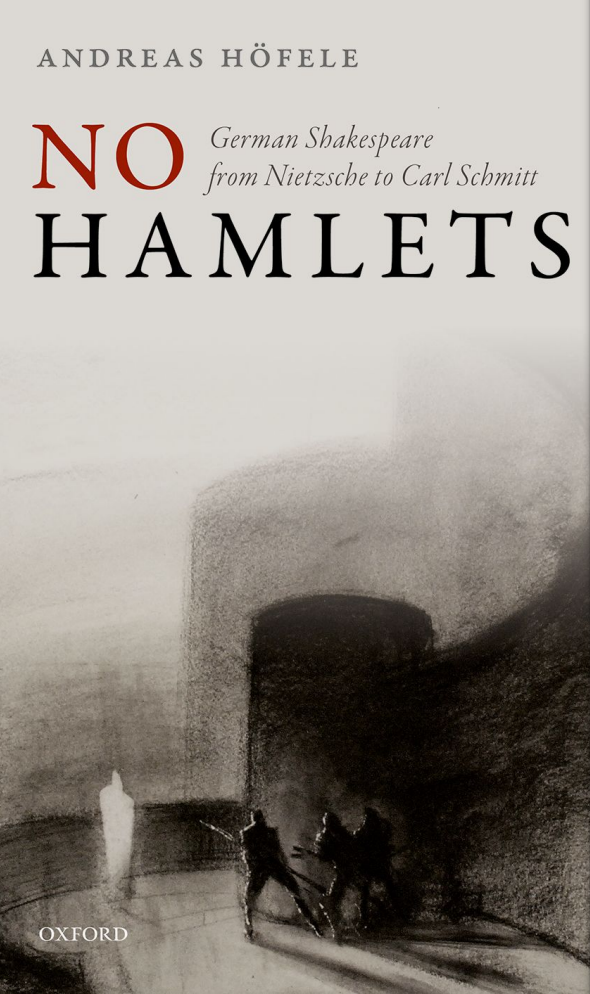
Andreas Höfele
No Hamlets: German Shakespeare from Nietzsche to Carl Schmitt
Oxford, UK: Oxford University Press, 2016
The hardest book reviews to write are those that deal with material that I have enjoyed, but cannot recommend. This is the case for Andreas Höfele’s No Hamlets: German Shakespeare from Nietzsche to Carl Schmitt. Höfele teaches English literature at Munich University, and he has written other books and articles on Elizabethan and Victorian stagecraft, as well as six novels. (more…)
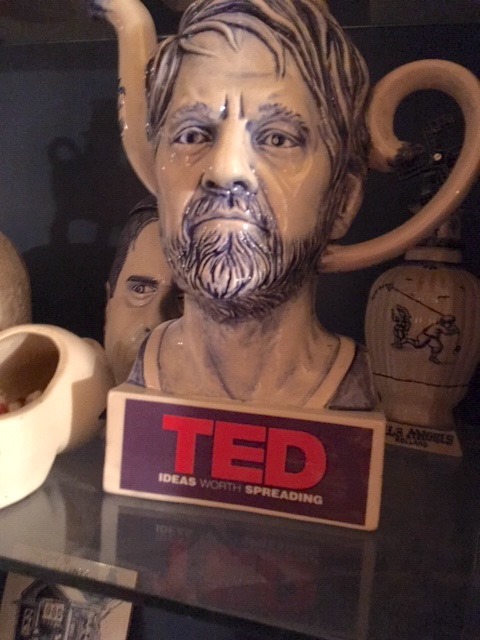
Ted Kaczynski teapot by Charles Krafft
Ted Kaczynski teapot by Charles Krafft
6,103 words
Part 1 of 2 (Part 2 here)
The following is an edited transcript of the conversation between Greg Johnson and Richard Houck on the subject of Ted Kaczynski’s manifesto, Industrial Society and Its Future, that was broadcast on Counter-Currents Radio in April 2021. You can listen to the recording here.
Greg Johnson: I’m Greg Johnson. Welcome to Ted Talk. I am joined here today by Rich Houck, and we’re going to be talking about Ted Kaczynski’s Industrial Society and Its Future. Rich, welcome to the show. (more…)
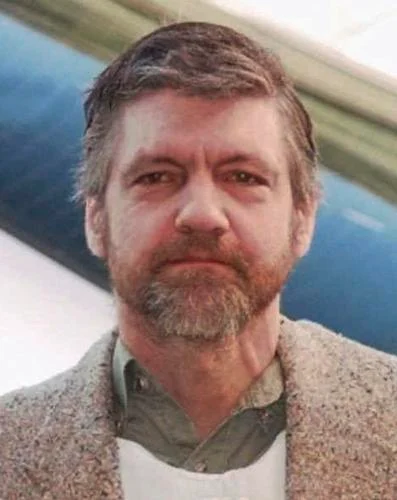
Ted Kaczsynski
Ted Kaczsynski
267 words / 1:38:00
Greg Johnson welcomed David Skrbina, Ph.D. to the latest broadcast of Counter-Currents Radio to talk about the life and ideas of Ted Kaczynski, a.k.a. the Unabomber. Dr. Skrbina is the editor of Kaczynski’s book Technological Slavery, which includes excerpts from their correspondence, and recently penned an obituary and memoir about their relationship that was published here at Counter-Currents, “A Great Passing: Reflections on 20 Years with the Unabomber.” This is the first part; the second part of the interview is here. (more…)
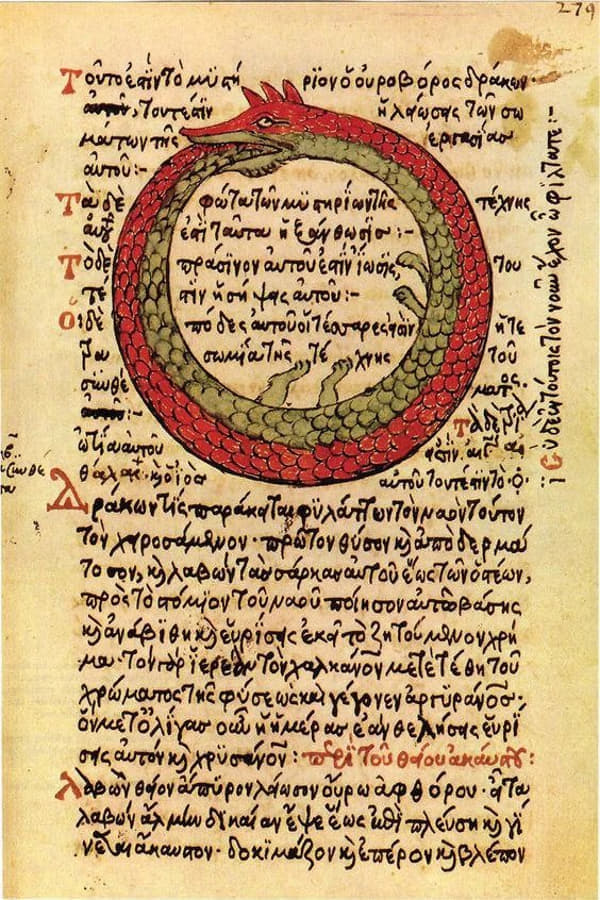
Theodoros Pelecanos, Ouroboros (1478)
Theodoros Pelecanos, Ouroboros (1478)
6,611 words
Part 1 of 7 (Part 2 here)
One of the most startling historical truths is that Europeans invented the writing of history as “a method of sorting out the true from the false,” as a conscious search for a rational explanation of the causes of events, while rendering the results of their investigations in sustained narratives of excellent prose. The other peoples of the world, including the Chinese who maintained for centuries a tradition of chronological writers, barely rose above annalistic forms of recording the deeds of rulers or the construction of genealogies devoid of reflections on historical causation. This would not have been judged a controversial view a few decades ago. (more…)
4.463 slov
English original here
Shrnutí
Lovecraftovy hororové příběhy jsou dnes brány nejen jako literární klasika, ale také se postupem času staly vlivným kultem okultismu. Mýtus Cthulhu, Prastaří a Nevyslovitelná jména jsou evokováni, uctíváni a respektováni různými esoterickými proudy a u některých tvoří dokonce pomyslné jádro jejich magického učení. Tato esej má za cíl zkoumat nejvýznamnější řády, jednotlivce a doktríny, co se v minulosti zaobírali či se pořád ještě zaobírají Mýtem Cthulhu. (more…)

Are they the future?
Are they the future?
2,975 words
Part 8 of 8 (Part 1 here, Part 7 here)
There is joy in danger. — Napoleon
Psychopathy seems like the epitome of evil. As we’ll see, however, one characteristic of psychopathy is associated with at least one virtue.
Psychopathy can’t be cured; it can only be managed. Perhaps John Calvin had psychopaths in mind when he developed his theory of predestination: God chooses some for salvation rather than others. (more…)

1,932 words
Who can listen to objections regarding such a book as [A Christmas Carol]? It seems to me a national benefit, and to every man or woman who reads it, a personal kindness. — William Makepeace Thackeray, Fraser’s Magazine, 1844 (more…)
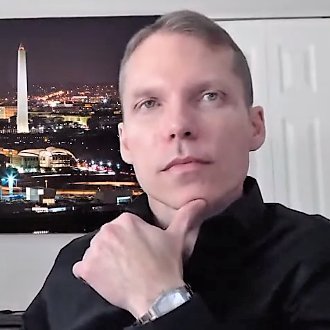
Jason Köhne
Jason Köhne
1,390 words
I recently watched an interesting debate centered on the Jewish Question between Mark Collett of Patriotic Alternative and Jason Köhne of No White Guilt. If you’ve been around this scene for a while, the debate wasn’t earthshattering. Lines have been drawn. Sides chosen. Listeners knew the arguments that both sides were going to make before they made them. And yet, what was truly great about the debate was that both sides made them, clearly and succinctly. (more…)
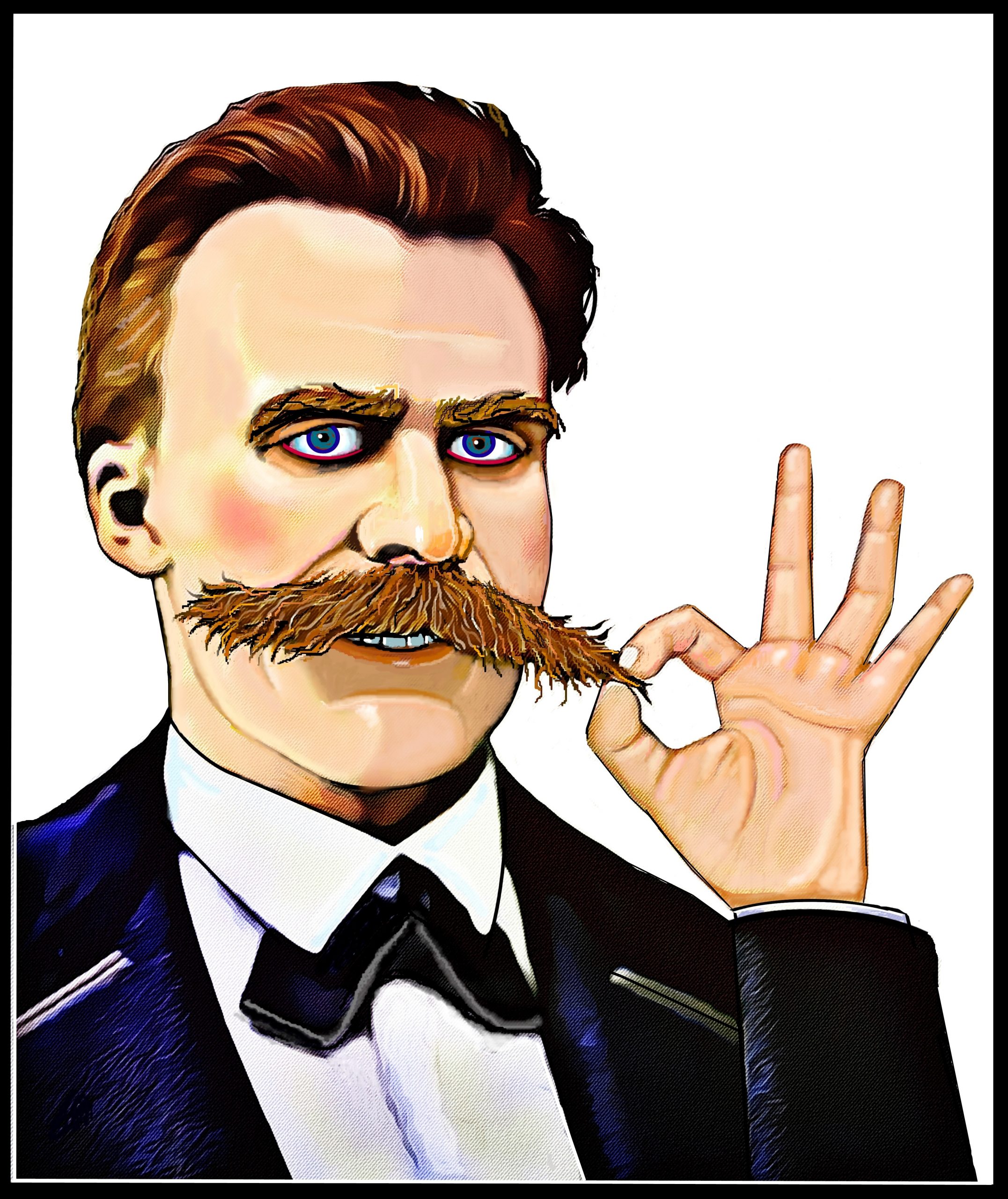
Phil Eiger Newmann, Friedrich Nietzsche, 2020.
Phil Eiger Newmann, Friedrich Nietzsche, 2020.
846 words
Friedrich Nietzsche was born this day in 1844 in the small town of Röcken, near Leipzig, Saxony, in the Kingdom of Prussia. He died in August 25, 1900, in Weimar, Saxony, in the Second German Reich. The outlines of Nietzsche’s life are readily available online.
Nietzsche is one of the most important philosophers of the North American New Right because of his contributions to the philosophy of history, culture, and religion.

2,156 words
“Have you accepted Jesus, Agent Starling? Do you have faith?”
“I was raised Lutheran.”
“That’s not what I asked.” — Thomas Harris, Hannibal
I am a sick man. I am an angry man. — Fyodor Dostoyevsky, Notes from Underground
“I am one thing,” wrote Friedrich Nietzsche, “my writings another.” Although a few decades after his death this aphorism would chime with the Derridean, post-structuralist dictum that there is “nothing outside the text,” a hermeneutic approach to philosophy excludes the philosopher’s life to its detriment. (more…)

Umělci pravice: D. H. Lawrence (1885–1930)
Umělci pravice: D. H. Lawrence (1885–1930)
1.705 slov
English original here
„Mým opravdovým náboženstvím je víra v sílu krve.“ D. H. Lawrence
David Herbert Lawrence (1885–1930) je považován za jednoho z nejvlivnějších spisovatelů 20. století. Jeho romány i básně lze číst mj. jako polemiku a proroctví, sám Lawrence se totiž považoval za proroka a zvěstovatele nového úsvitu, vůdce-spasitele, jenž osobně přinese nesmírnou oběť v podobě převzetí stěží přestavitelné zodpovědnosti diktátora, což lidstvo osvobodí, tak aby mohlo znovu nabýt svého lidství. (more…)